

CLUTCH CABLE
A clutch cable is a mechanical component that connects the clutch pedal to the clutch mechanism in manual transmission vehicles. The cable transmits force from the clutch pedal to the clutch assembly, helping engage and disengage the clutch so the driver can shift gears smoothly.
We understand that some vehicles may require special clutch cables because of their specifications or modifications. To meet these needs, we offer customization options so customers can request cables that fit their vehicles properly. We are among the few manufacturers offering customized clutch cable solutions.
Welcome to Chattarpati Automotive Systems, a clutch cable manufacturer and supplier for all types of vehicles. With over 50 years of experience in developing high-quality control cables, we have earned a reputation for manufacturing reliable and cost-effective cables.
Quality Control
We are always prepared to manufacture the latest clutch cables. To ensure durability and reliability, we use high-quality raw materials and strict quality control standards. Our cables go through multiple testing parameters to meet industry requirements and provide customers with a robust, long-lasting solution. Besides quality, these cables are offered at competitive prices. We provide budget-friendly solutions without compromising performance or quality. Customers can order these cables in bulk at competitive prices, and orders can also be collected from our factory.
Customer Satisfaction
At Chattarpati Automotive Systems, we prioritize customer satisfaction and are dedicated to providing excellent customer service, fast response, and a strong range of products at competitive prices. Our experienced team has strong expertise in this field, helping us serve customers in a professional and reliable way.
Features
- Superior performance
- Smooth finish
- Great Strength
- Dimensional accuracy
- Longer functional life
- Friction free cable
- Best quality raw material used
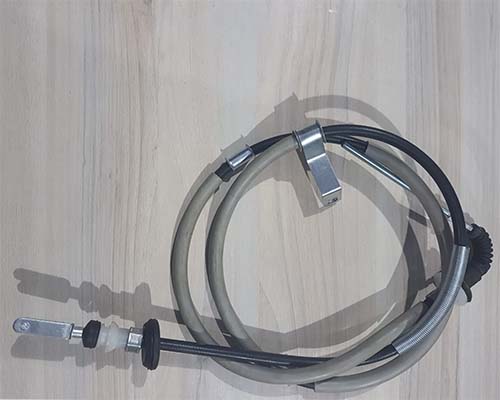
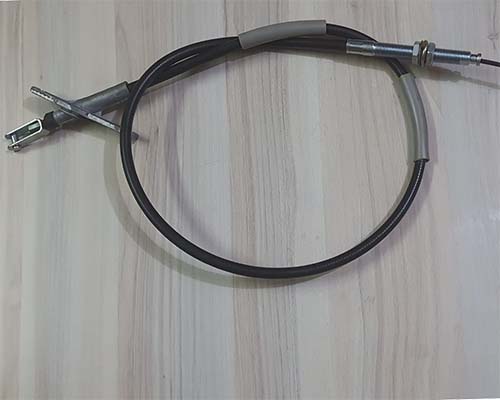
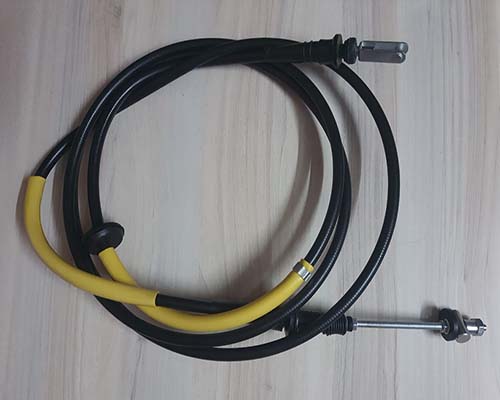
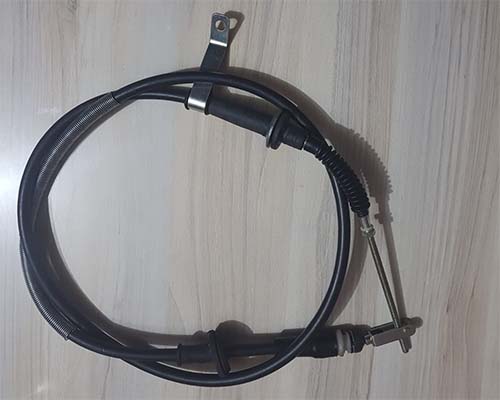
Some of Our Major Products
Frequently Asked Questions
How does a clutch cable work?
When the driver presses the clutch pedal, the cable pulls the release mechanism to separate the clutch disc from the flywheel. This breaks the drive between engine and gearbox so the driver can shift gears. Releasing the pedal re-engages the clutch. Cable-operated systems are standard in commercial vehicles, three-wheelers, passenger cars, tractors, and heavy equipment.
What are the signs of a failing clutch cable?
- Heavy or stiff pedal — takes more effort, especially in traffic
- Clutch slipping — engine speed rises but vehicle does not accelerate
- Hard gear shifts — gears grind, especially 1st and reverse
- Squeaking noise from the cable path when pressing the pedal
- Visible fraying near the pedal or gearbox end
For suppliers, helping retail customers spot early signs drives preventive replacement sales instead of waiting for a roadside snap.
Why do clutch cables fail more on commercial vehicles?
Commercial vehicles — trucks, tempos, three-wheelers, buses — run in heavy stop-and-go traffic with much stronger clutch loads. The cable goes through thousands of high-force cycles daily. Add bad roads, dust, heat, and irregular servicing, and it wears out fast. This creates steady replacement demand — a key segment for bulk suppliers.
Should clutch cables be lubricated?
Yes. Use cable oil or light machine oil — avoid thick grease as it attracts dust and turns to sludge. Lubricate every 15,000–20,000 km or sooner if the pedal feels heavy. Even factory-lubricated cables benefit from re-lubrication after 30,000–40,000 km.
Clutch cable vs hydraulic clutch?
Cable: Simple, cheap, easy to replace and diagnose. Standard in commercial vehicles, budget cars, and tractors.
Hydraulic: Smoother, self-adjusting, but more expensive to repair. Found in premium vehicles.
Cable clutches dominate in commercial vehicles because a workshop can swap one in 20 minutes, keeping downtime low.
How to adjust clutch cable free play?
Correct free play is 10–15 mm at the pedal or 1–2 mm at the release lever. Too little causes clutch drag and premature disc wear. Too much means rough shifts. The exact spec varies by vehicle — always check the service manual.